
How to Assess a Camera Module Supplier
Assess technical evidence, sample handling, revision control and commercial clarity before approving a supplier.
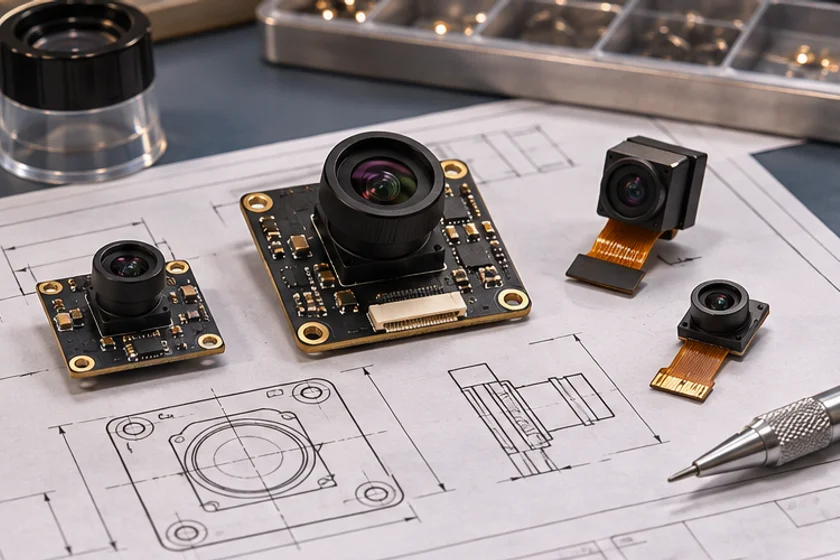
Prepared by Honglan Electronics
Assess a camera module supplier by the evidence and working process needed for your project. A large catalogue or an attractive factory photograph does not establish that a particular assembly will meet your requirements. Use a structured review that connects claims to documents, samples and accountable decisions.
Match the supplier to the actual task
Start with your requirement and ask the supplier to identify the proposed model or customization scope. A useful response separates confirmed capability from an item requiring evaluation. Be cautious when every requirement receives an immediate yes without a discussion of operating conditions.
Check whether the response identifies a complete assembly, including lens, cable and firmware where relevant. Sensor names and product titles are shortlist information. They should lead to a mode table, drawing and a sample that can be tested in your equipment.
Review technical evidence
Request relevant product documents and clarify their revision. Check that resolution, frame rate, format and interface are associated correctly. Ask for original captures with settings when image performance matters.
Where a camera-characterization report is offered, review its stated method and conditions. EMVA 1288 provides a reference framework for consistent presentation of machine-vision characteristics. Do not treat the mention of a standard as proof that a particular supplier or module has been assessed against it.
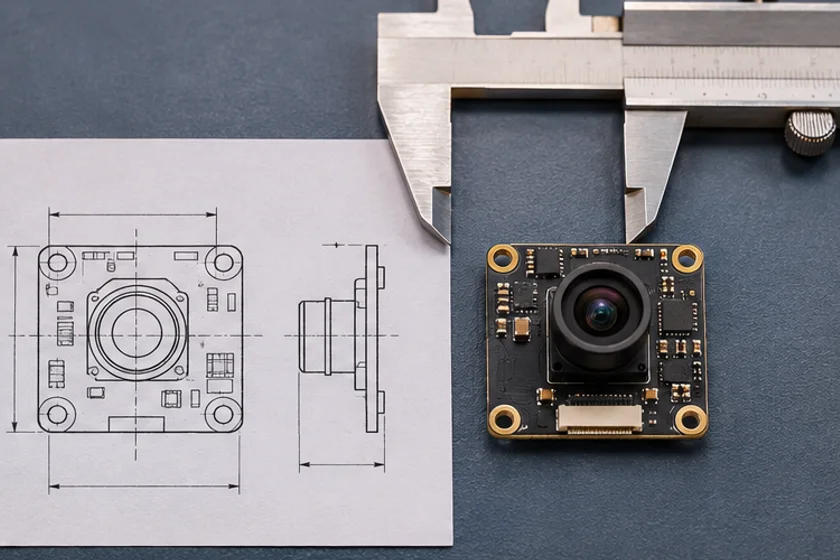
Examine reports and certificates carefully
Read the legal entity, issuer, date, covered model, test standard and scope. A test report, a management-system certificate and a product certification serve different purposes. A report for one sample does not automatically cover every catalogue assembly or your final equipment.
Confirm that documents are legible and can be traced to the proposed supply. If a report's model identification differs from the quotation, ask for an explanation and supporting evidence. Do not resolve the discrepancy by assuming the products are equivalent.
Evaluate the sample process
Agree the sample identity, what is included, delivery conditions and the support route. Provide a test plan and see whether questions are addressed with specific information. A supplier that helps isolate a failure with reproducible evidence offers more useful support than one that only repeats headline specifications.
Record responses and unresolved issues. Use the same acceptance method for competing candidates so differences are meaningful. A lower quoted unit price may involve another lens, cable, inspection scope or order condition.
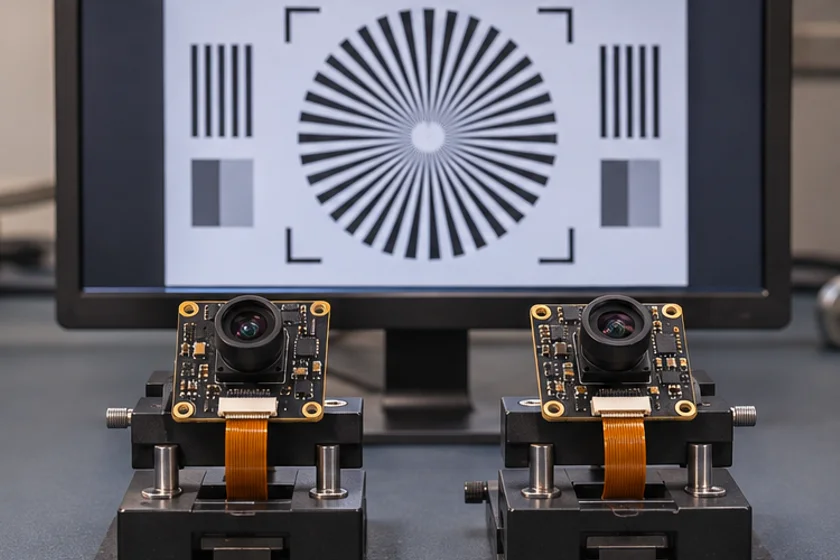
Review continuity and change control
Ask how revisions are identified and how substitutions are communicated. Discuss production test records, traceability and the process for handling nonconforming units. Confirm what happens if a critical component or firmware revision changes.
Commercial clarity matters too. Put quantity, assembly revision, charges, delivery expectations, payment conditions and responsibility for acceptance into the actual agreement. General website statements should not substitute for order-specific confirmation.
Make an evidence-based decision
Use a scorecard with mandatory technical requirements first, then integration effort, documentation quality, sample results, support and commercial conditions. Mark unknowns explicitly. Identify which gaps must close before approval and which can be accepted with a named owner.
Review the sample checklist and production quality guide. When requesting a quotation, include enough context for the supplier to respond to your actual equipment requirement rather than a generic part category.
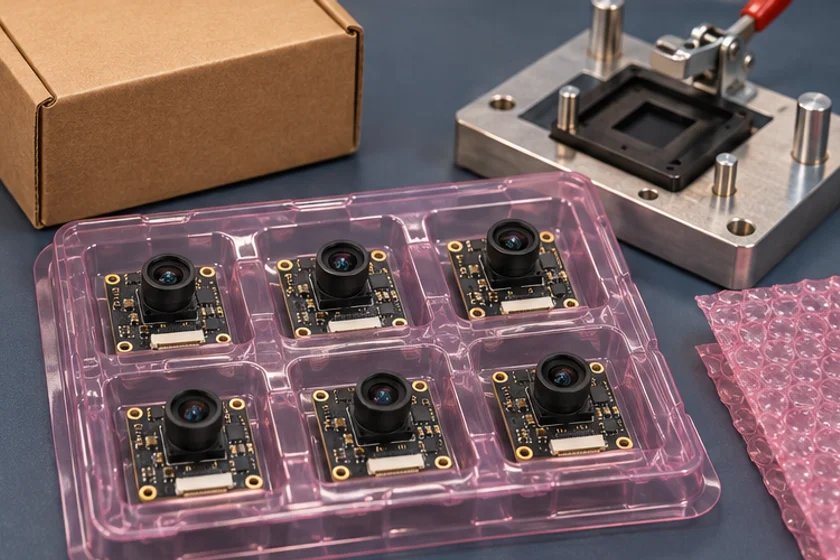
Apply this to a camera module
Start with a concrete model such as the DH-4K-003 and review its configuration-specific documentation before sending a quotation request.
Technical references
- Define selection criteria
- Review samples and documents
- Verify revision control
- Record the approval decision
Does a report for one camera cover the supplier's whole catalogue?
No. Check the named entity, model, conditions and scope, and resolve any mismatch with the proposed supply.
How should suppliers be compared fairly?
Use the same requirement, assembly definition, sample test and commercial assumptions, and record unresolved items explicitly.