
Camera Module Design Trends for Equipment Integrators
Evaluate changes in sensors, optics and camera interfaces against your operating mode and integration requirements.
Prepared by Honglan Electronics
Evaluate developments against an application
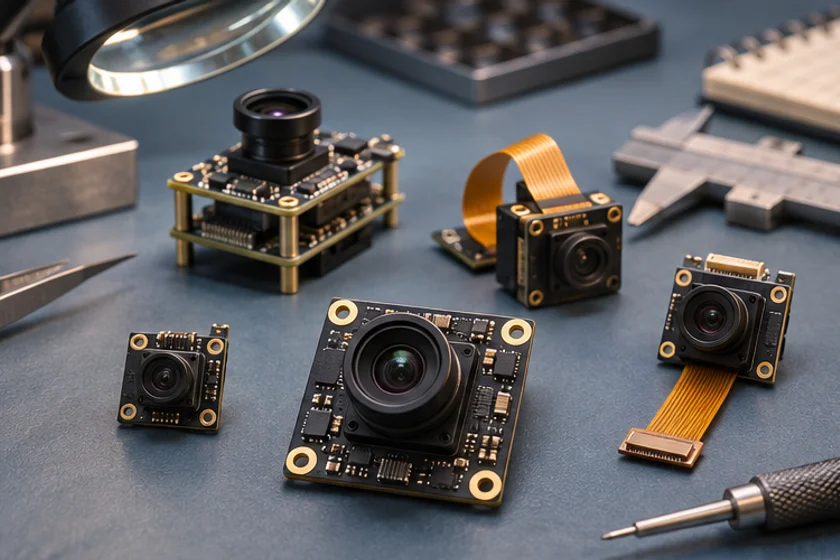
Camera development includes changes in image sensors, interfaces, optical assemblies and processing. A newer component does not automatically improve a particular system: the useful comparison is whether a configuration meets a defined imaging task under the intended operating conditions.
Ask for evidence rather than a headline
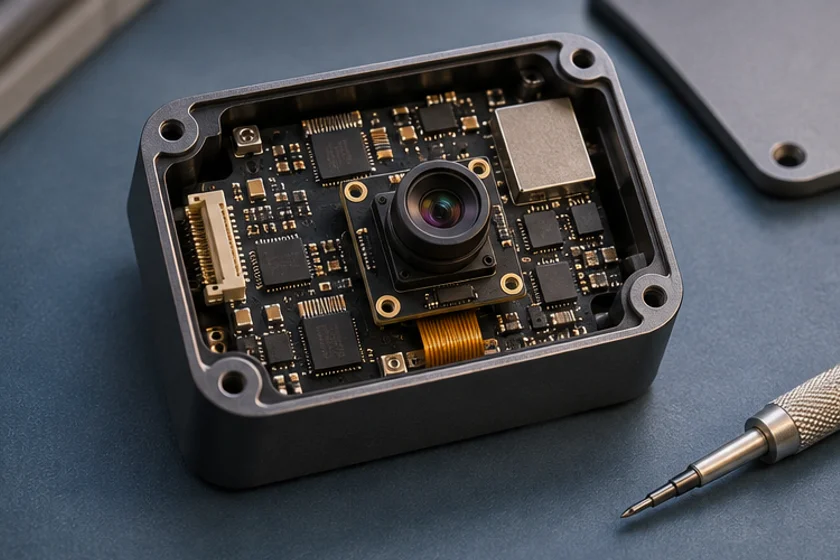
For any proposed improvement, specify the required field of view, detail, exposure conditions and host environment. Compare resolution and frame rate as an output mode that includes format and interface. Consider the complete lens, sensor, board and software combination, rather than treating a sensor name as a finished camera specification.
Plan a controlled evaluation
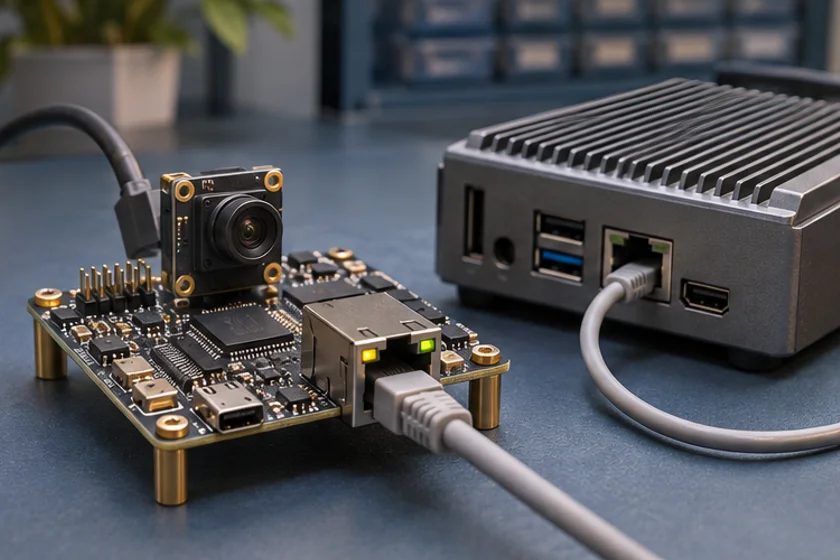
Record the selected hardware and firmware revision, lighting, working distance and capture settings. Use representative scenes and agree acceptance limits before testing. Check image quality, delivered frames and recovery after reconnecting. A demonstration under different conditions is useful context, but does not replace this evaluation.
Read the selection guide, compare output modes, or discuss requirements.
Apply this to a camera module
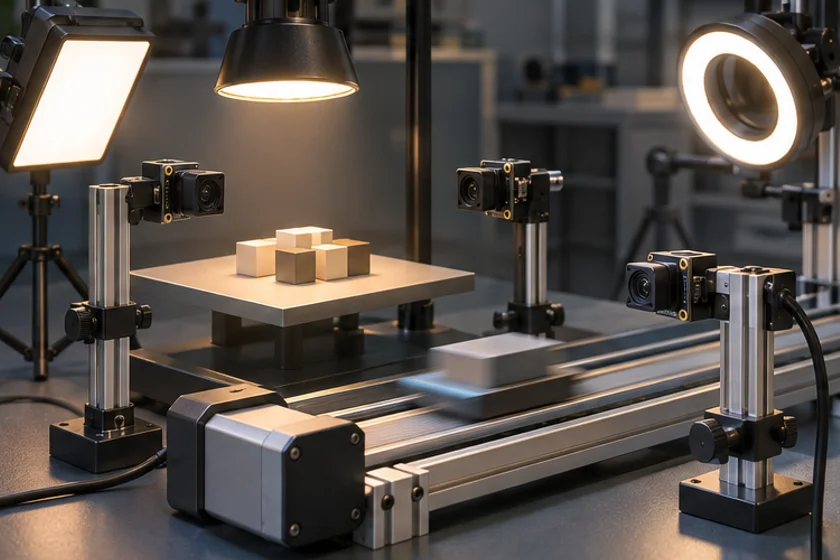
The USB3.0 S02-V1 illustrates why higher frame-rate modes should be evaluated together with format and resolution.
- Define the imaging task
- Compare full configurations
- Test under matched conditions
- Record integration trade-offs