
How CMOS Image Sensors Are Classified
Learn how CMOS camera sensors differ by shutter, readout, pixel array and optical format, and how these choices affect module selection.
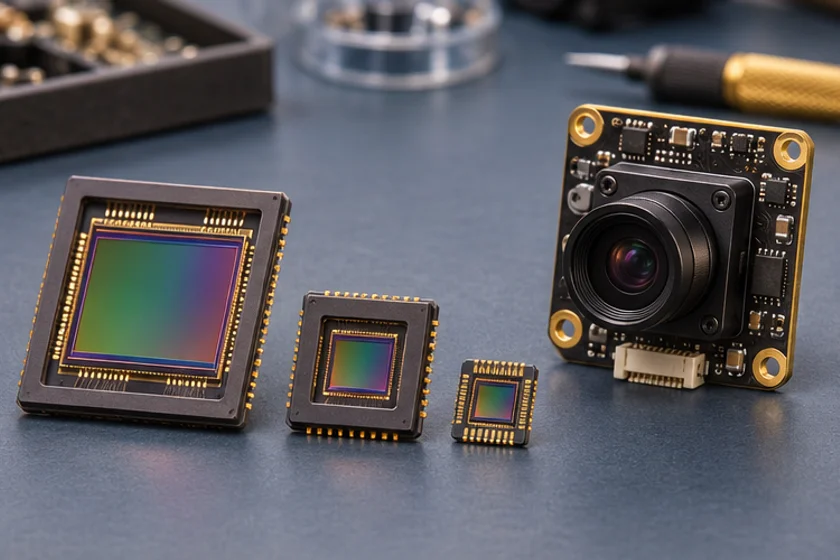
Prepared by Honglan Electronics
A sensor name is only part of a camera specification
CMOS image sensors can be described by their pixel array, shutter operation, spectral configuration and readout modes. A module combines the sensor with optics, an interface, processing and firmware. Compare the complete module rather than transferring every sensor-level capability to the finished camera.
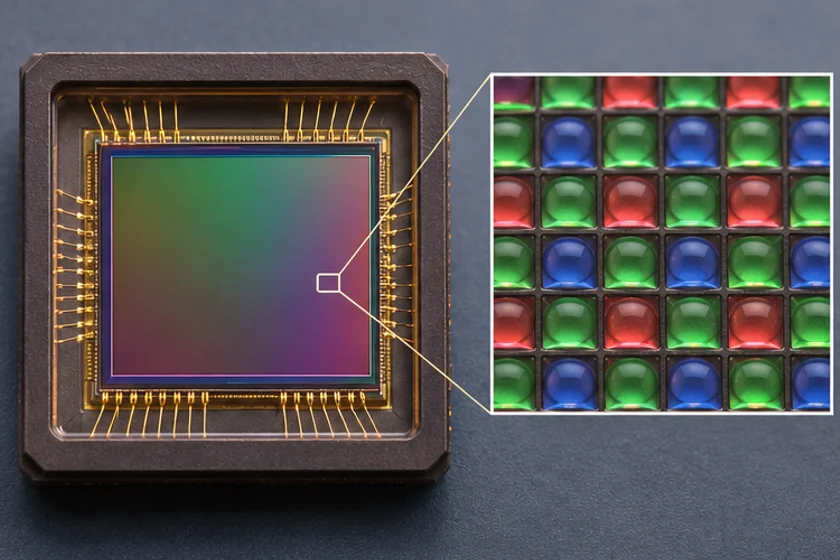
Separate the comparison fields
Start with the required image detail and field of view. Check shutter behavior against scene motion, and evaluate exposure time under the available lighting. Record the image modes actually exposed by the module: array dimensions alone do not establish the resolution and frame rate that its host interface can deliver.
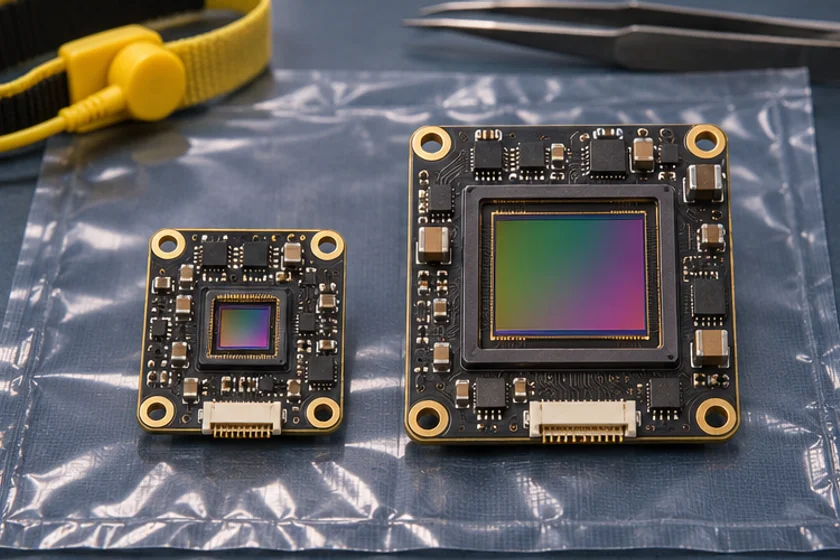
Evaluate image quality under controlled conditions
Keep illumination, working distance, lens, exposure and gain settings documented. Compare representative scenes using a consistent procedure. Terms such as low light, dynamic range or high speed need test conditions and supporting measurements to become useful selection criteria.
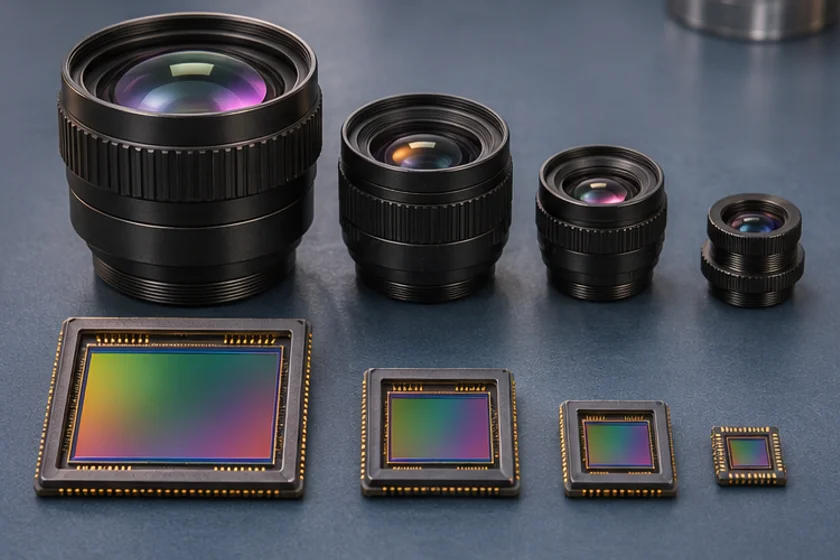
Verify the integration
Confirm the exact sensor identifier, board revision and firmware supplied with a sample. Ask which modes and controls are supported in the complete module and test them on the intended host. No classification by itself guarantees suitability for a particular application.
Evaluate low-light imaging, review shutter choices, or browse product details.
Apply this to a camera module
Compare the complete camera as well as the sensor. The IMX415 USB board and OV9281 monochrome flex module illustrate how optics, shutter and assembly affect the choice.
- Identify shutter and readout
- Check pixel and sensor size
- Match the lens coverage
- Validate on a module