
CMOS and sCMOS Cameras: What Buyers Should Compare
Compare CMOS and sCMOS camera proposals using measurement conditions, readout characteristics and the needs of the imaging system.
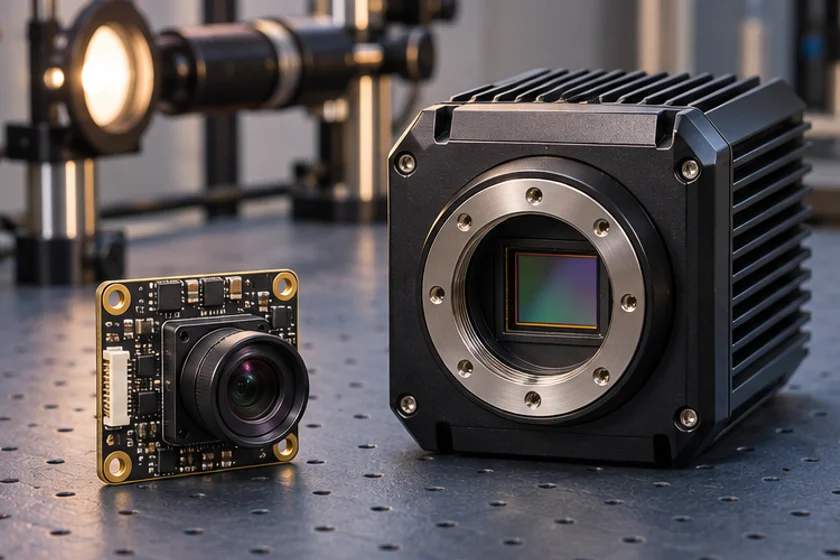
Prepared by Honglan Electronics
Compare sensor proposals using technical evidence
When comparing CMOS and sCMOS cameras, start with the imaging conditions and performance your system requires.
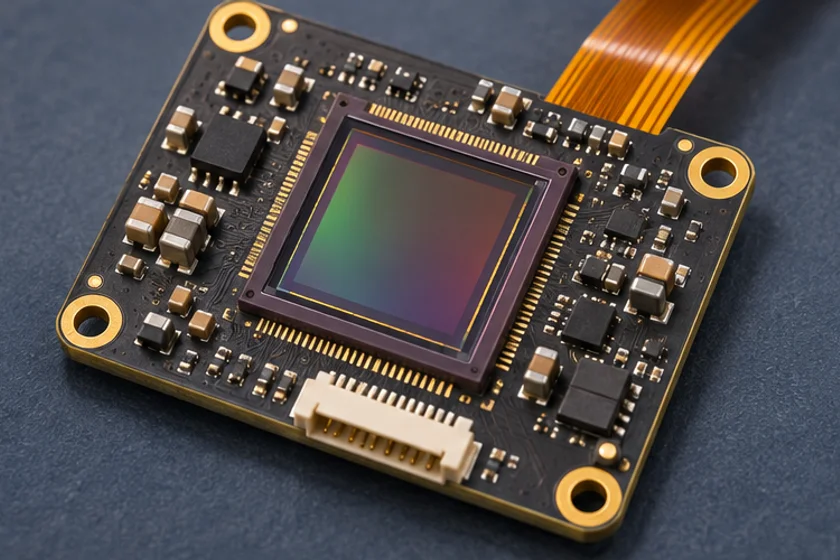
Request comparable documentation
Ask for the exact sensor and module configuration, output modes and measurement conditions behind performance claims. Noise, usable signal range, exposure settings and readout behavior should be compared using documented procedures. Results obtained under different conditions may not be directly comparable.
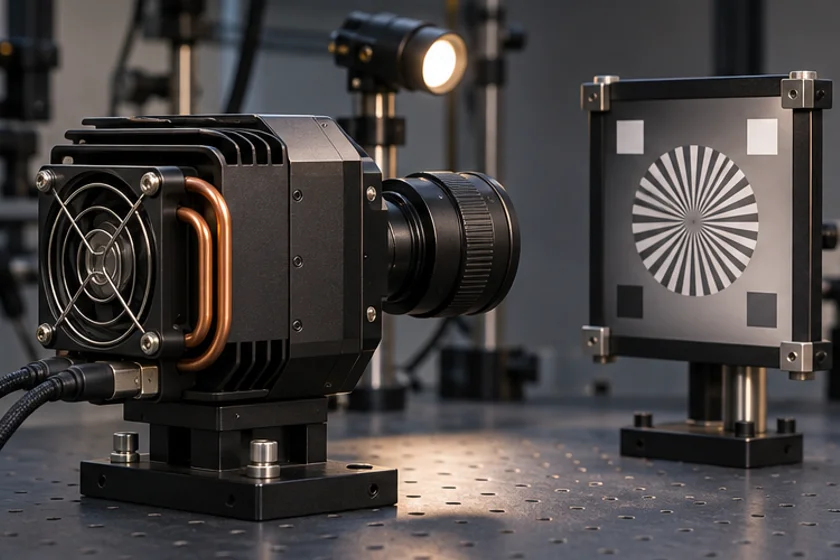
Include the complete camera and host
The lens, processing, firmware and interface affect the images available to an application. Confirm which controls and modes the actual module exposes, as well as power, mechanical and software requirements. Do not infer scientific or measurement suitability solely from a sensor label.
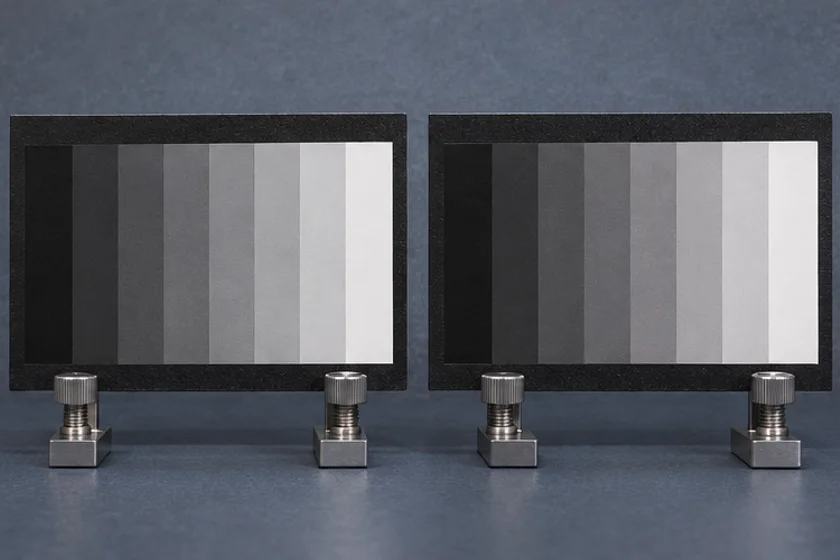
Assess the sourcing process
Check access to specifications, sample testing, approved revisions and change notification. Agree acceptance criteria using representative scenes and preserve the configuration record before planning production. Commercial availability and quotations must be confirmed for the exact configuration.
Review supplier assessment, plan sample evaluation, and discuss documentation needs.
Apply this to a camera module
Use the OV9281 monochrome CMOS module as a reference for ordinary equipment imaging. For a scientific imaging proposal, request measurements that match your actual exposure and light levels.
- Define the imaging task
- Match test conditions
- Compare readout and noise
- Review usable image detail