
What Is a Global Shutter Camera Module?
Learn how global shutter camera modules expose a frame, and which motion, lighting and output conditions matter in an evaluation.
Prepared by Honglan Electronics
What a global shutter addresses
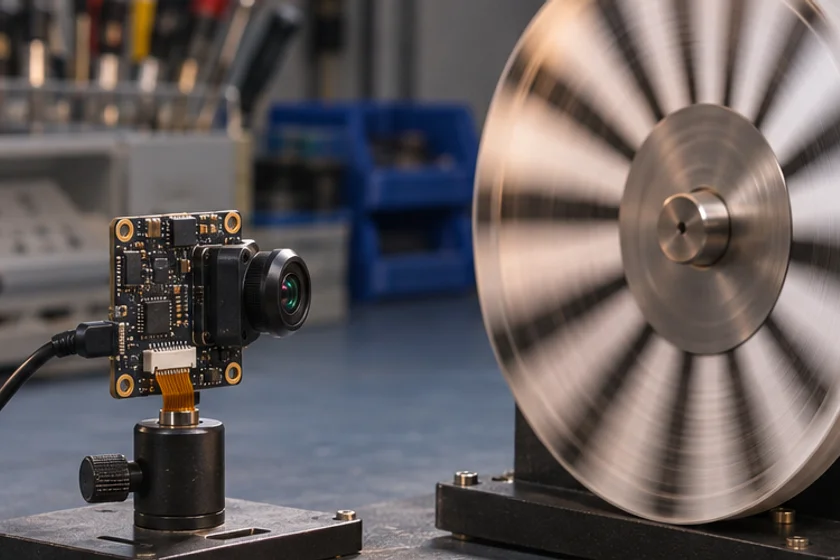
A global shutter aligns the exposure interval across the image array, in contrast to a rolling-shutter readout in which rows are exposed at different times. For moving scenes, this distinction can affect geometric distortion. It does not remove motion blur caused by movement during the exposure interval.
Choose the exposure conditions
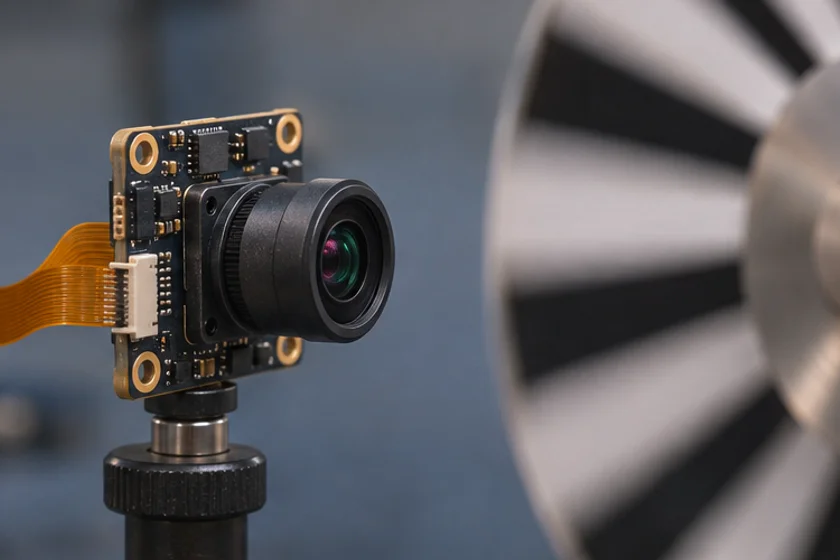
Define object speed, field of view, useful detail and available lighting. The selected exposure time must suit the imaging task. If short exposure is required, check whether the available illumination supports an acceptable image at that setting.
Compare the complete output mode
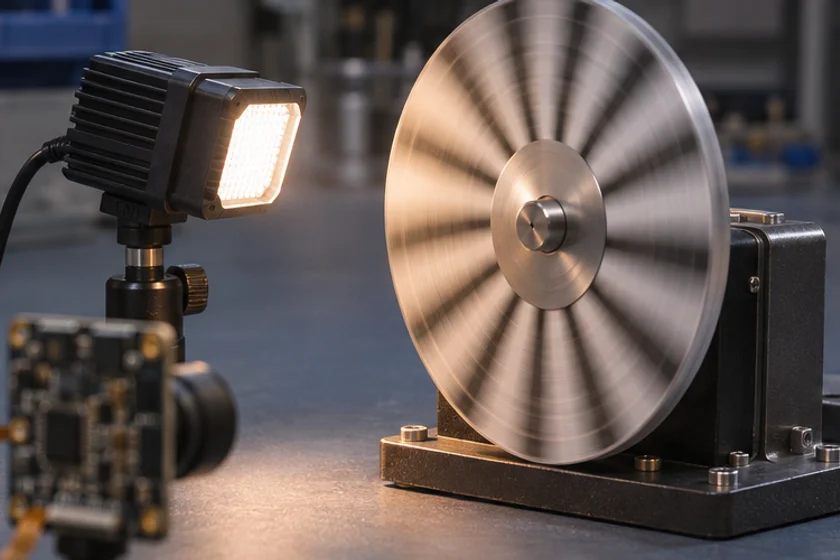
Frame rate, resolution, image format and interface must be checked as a combination on the actual camera and host. A high-speed sensor does not establish that every module output mode reaches the same rate. Confirm any triggering or synchronization capability explicitly rather than assuming it from the shutter type.
Verify a sample
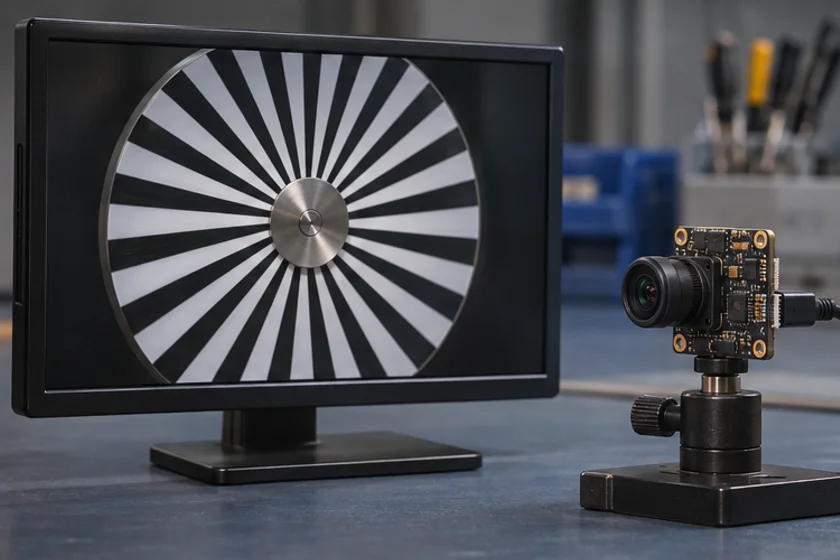
Capture representative moving objects, document settings and inspect both geometric shape and blur. Record delivered frames and software behavior. Select between shutter types using the application’s acceptance criteria, rather than treating one description as universally better.
Compare global and rolling shutter, compare frame-rate modes, or send a project brief.
Apply this to a camera module
The VGA global shutter board is an example with separate MJPEG and YUY2 frame rates. For a choice between shutter types, read the global versus rolling shutter guide.
- Define subject speed
- Set exposure and lighting
- Choose an output mode
- Capture a moving target